

Greece has more than 6,000 islands and islets, of which a couple of hundred are inhabited – so "a Greek island holiday" can mean anything from the cocktail bars of Mykonos to a sleepy fishing village where the ferry is the highlight of the day. Each island group has its own character, landscapes and pace. This guide introduces the main groups and the islands British travellers love most, so you can find your perfect match.
When to go
The Greek island season generally runs from around May to October. June and September are often considered the sweet spot: warm sea, long sunny days and fewer crowds than the peak months. July and August are the hottest and busiest, ideal for reliable sunshine and lively evenings. The Cyclades can be breezy in high summer thanks to the meltemi, a seasonal northerly wind – welcome in the heat, though it can make the sea choppier. In spring and autumn the islands are greener, quieter and perfect for walking.
Greece is two hours ahead of the UK, and flights to many islands take around three to four hours, with direct services to the most popular islands from a number of UK airports in summer.
The Cyclades: whitewashed classics
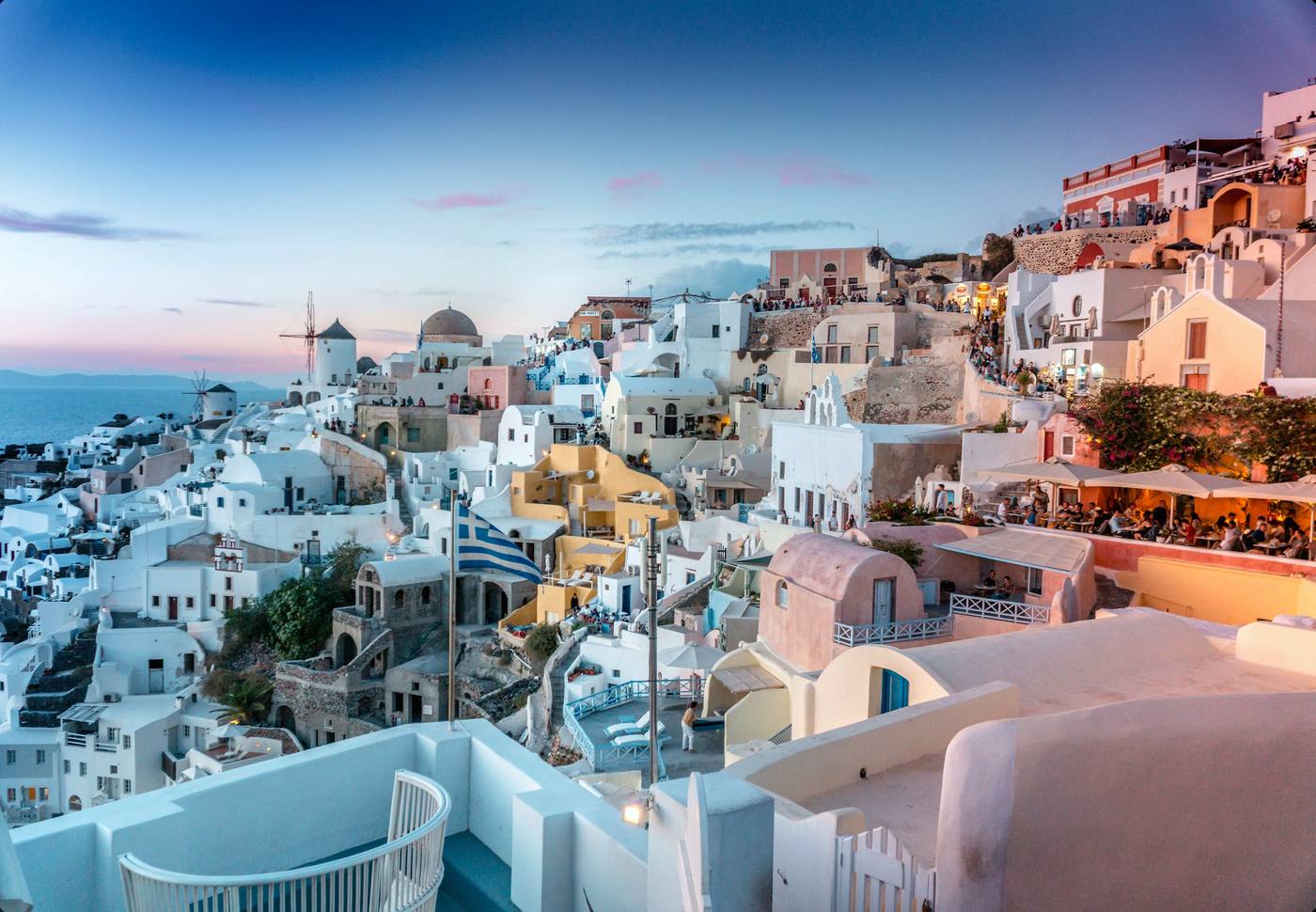
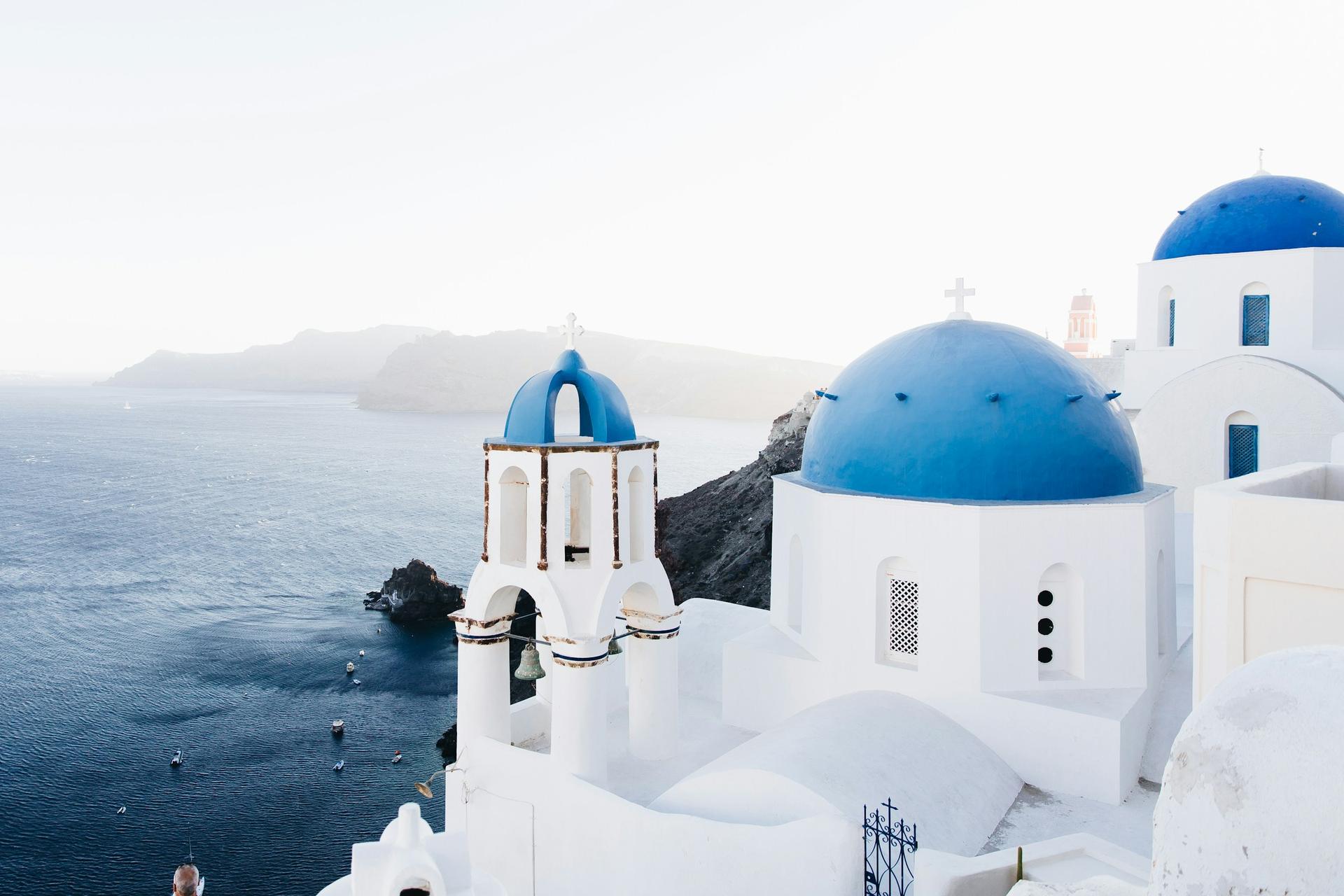
This is the Greece of the postcards – white cube houses, blue domes and windmills on dry, rugged islands in the heart of the Aegean.
- Santorini is famous for its dramatic caldera, the flooded crater of a volcano, with clifftop villages such as Oia and Fira overlooking the sea. Sunset views are legendary, and it is one of the world's most romantic destinations. The beaches here are volcanic, with dark sand and pebbles.
- Mykonos is glamorous and lively, with chic beach clubs, boutique hotels, the picturesque Little Venice and its famous windmills. A great choice for a stylish, sociable break.
- Naxos and Paros offer a gentler, more relaxed pace, lovely sandy beaches, traditional villages and excellent food – ideal for families and those wanting authenticity.
- Milos is known for its extraordinary coastline of coloured rocks, sea caves and coves, many best reached by boat.
The Ionian Islands: lush and green
Off Greece's west coast, the Ionian islands are greener than the Aegean islands, with olive groves, cypress trees and strikingly clear water. Their history includes Venetian and British influence, which shows in their architecture.
- Corfu blends an elegant old town (a UNESCO World Heritage Site) with beautiful beaches and hillside villages – a superb all-rounder for families and couples.
- Zakynthos (Zante) is home to the famous Navagio, or Shipwreck, Beach, and its waters are a nesting ground for loggerhead turtles.
- Kefalonia is larger and more relaxed, with dramatic scenery, the stunning Myrtos beach and pretty harbour villages such as Fiskardo.
- Lefkada is connected to the mainland by a causeway and known for its striking white-cliffed beaches.
Crete: the island with everything
Greece's largest island could easily fill a fortnight. Crete has mountains, gorges, pink-sand beaches, Venetian harbour towns such as Chania and Rethymno, and the Minoan Palace of Knossos near Heraklion. Its food is a highlight, and it offers everything from big family resorts to boutique hideaways. The Samaria Gorge is a classic walk for active visitors.
Best for: families, food lovers, explorers and anyone wanting variety.
Rhodes and the Dodecanese
Close to the coast of Turkey, the Dodecanese have a rich history. Rhodes has a magnificent medieval Old Town, another UNESCO site, built by the Knights of St John, along with the clifftop village of Lindos and plenty of sunshine. Kos has long sandy beaches and a relaxed feel, while smaller islands such as Symi charm visitors with colourful neoclassical harbours.
Other islands worth knowing
- Skiathos in the Sporades has more than 60 beaches and pine-covered hills, and neighbouring Skopelos is wonderfully peaceful.
- Halkidiki isn't an island but a mainland peninsula with beautiful beaches and upmarket resorts.
- The Peloponnese mainland is also increasingly popular for luxury resorts combined with ancient sites.
Which island suits you?
- Romance and views: Santorini.
- Style and nightlife: Mykonos.
- Families: Crete, Corfu, Kos, Naxos or Rhodes.
- Peace and quiet: Kefalonia, Paros, Skopelos or Symi.
- History: Crete, Rhodes and Corfu.
- Beaches: Zakynthos, Skiathos, Naxos and Crete.
Island-hopping
Greece is made for island-hopping. Ferries link many islands, particularly within the Cyclades, so combinations like Santorini with Mykonos, Naxos or Paros work beautifully. Many travellers also begin or end with a couple of nights in Athens to see the Acropolis. Ferry timetables are seasonal and can be affected by weather, so it is worth building in some flexibility – we can help with timings that keep things relaxed.
A few tips
- Book Santorini and Mykonos well ahead for summer, especially for caldera-view rooms.
- Bring shoes suitable for steps and cobbles – many villages are hilly.
- Embrace Greek dining: long lunches, fresh fish, mezze and local wine.
- Dress respectfully when visiting churches and monasteries.